The Nazarens at Casino Giustiniani Massimo
HYPERBOREANS IN ROME – There is something audacious in the fact that, in the early nineteenth century, a group of young men from Lübeck, Leipzig, Berlin, and Vienna crossed the Alps to reinvent painting precisely in Rome, the city which for three centuries had been the obligatory terminus of all artistic consecration. Not to learn from Raphael, but to forget him. To return, they claimed, to what came before. To Perugino, to Giotto, to the sincerity of the primitives, devoid of rhetoric. The English Pre-Raphaelites would theorise this thirty years later. But these young men were already in Rome. Overbeck, one of their number, died in Rome in 1869, following a stay of almost sixty years. He was no mere guest: he had become more Roman than many Romans. The English Pre-Raphaelites, meanwhile, never even saw Rome.
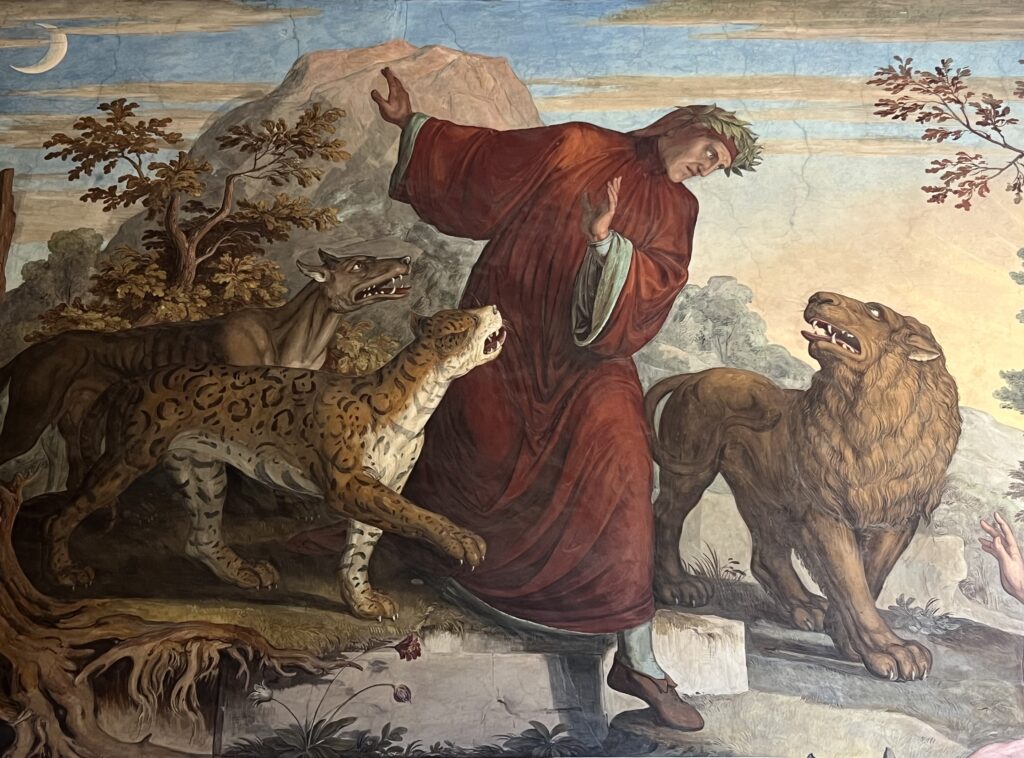
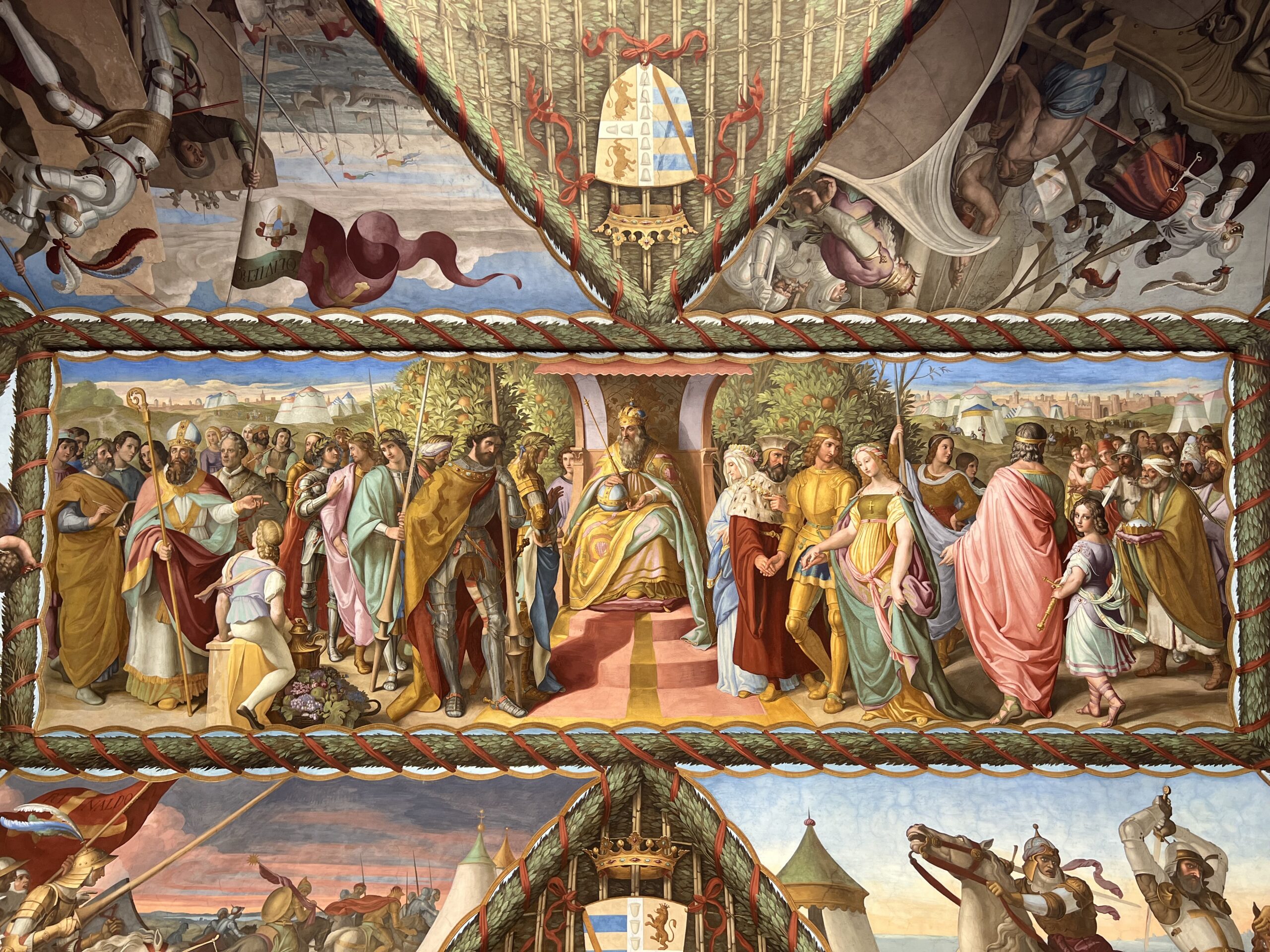
Commissioned by Marchese Massimo between 1817 and 1830, the Nazarenes—as they called themselves, or rather, as the Romans mockingly called them—were granted an opportunity belonging to a bygone era: to fresco three rooms of a casino near the Lateran: Dante, Ariosto, Tasso, the great Italian literature reinterpreted by German hands in a Roman villa. They achieved this by immersing literary scenes in a light that is distinctly un-Roman.
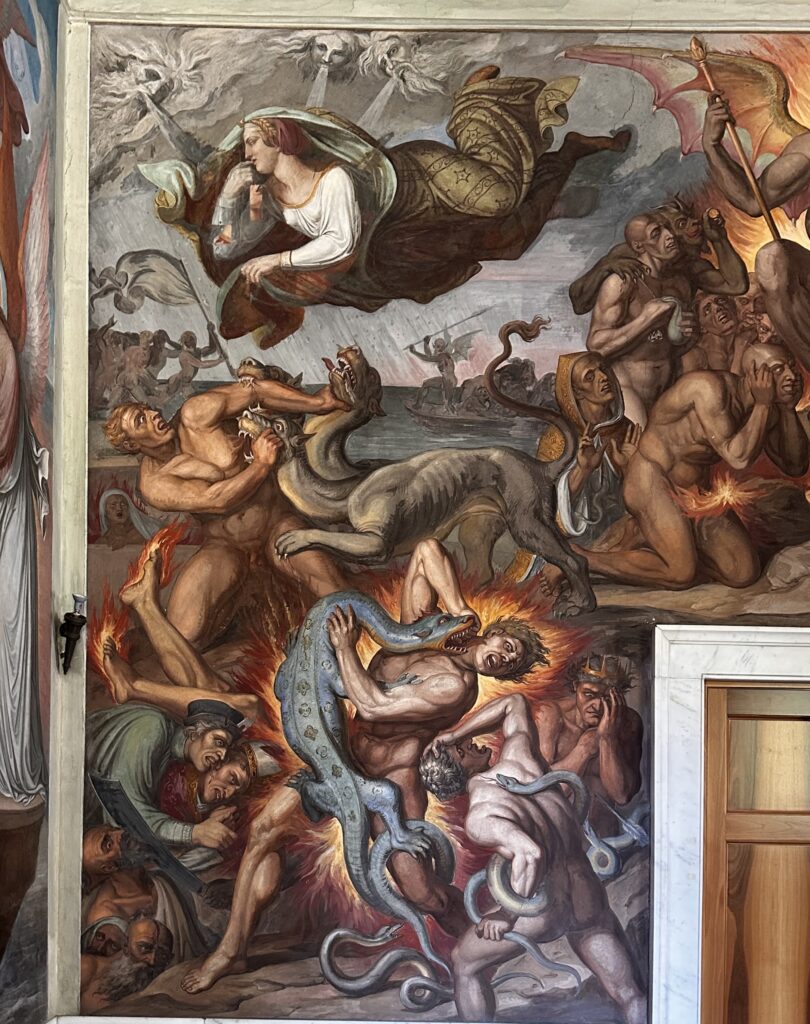
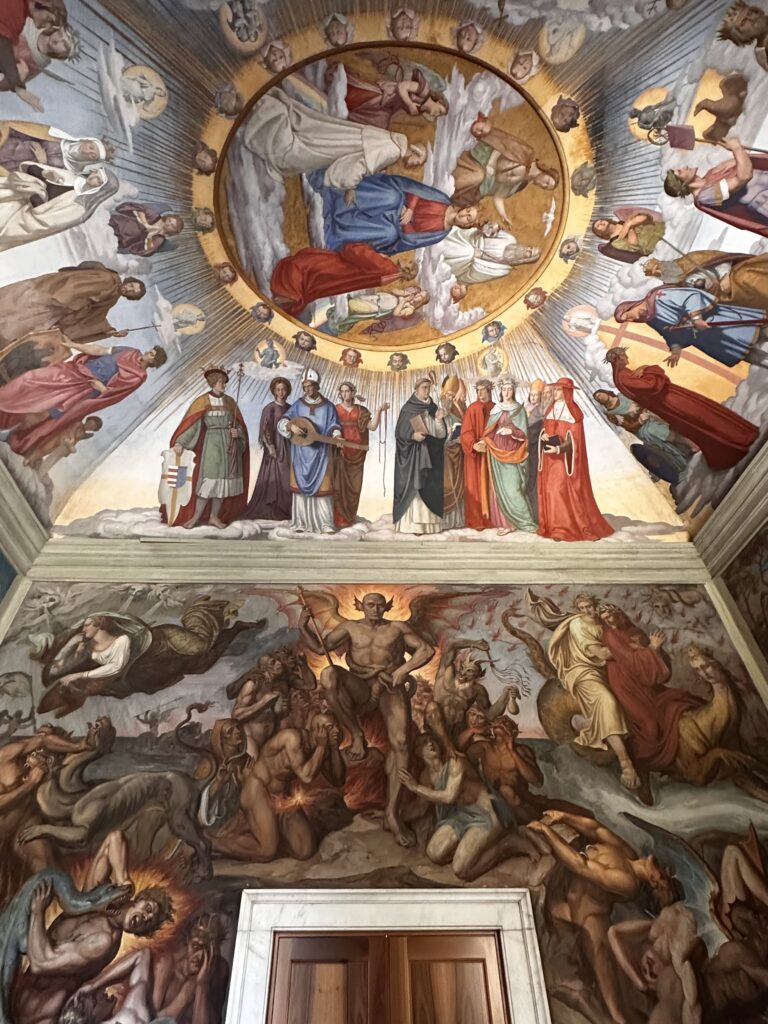
This is how it seems to me: Northerners travelled South to find a light their eyes had always imagined but never seen. And they transformed it: they did not copy it, they filtered it through a medieval memory, through a moral idea of how the world ought to be. The result is neither Italian nor German. It is a third thing, which exists only at the point of contact. These frescoes are that point.
– Arch. Gaetano di Gesu